Can I fast with high blood pressure?
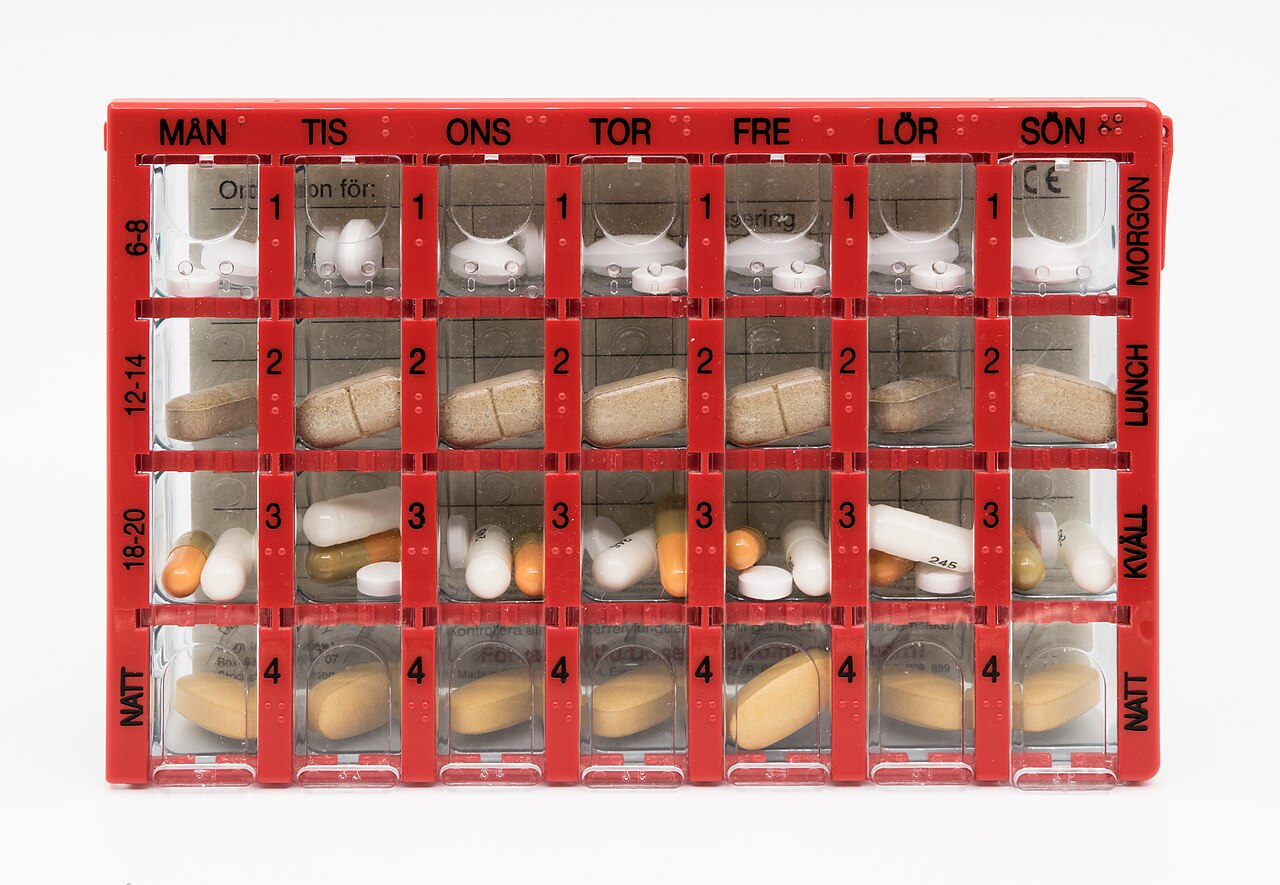
Yes, many people with well-controlled high blood pressure can fast, with their doctor's approval. The key is adjusting your medication times to suhoor and iftar. If your blood pressure is unstable, or fasting makes you unwell, Islam excuses you and you can make up the days later.
What Islam says
Ramadan comes with a built-in exception for the sick, and a reminder that Allah wants ease for you:
Scholars agree that if a trustworthy doctor says fasting will harm you, you shouldn't fast. If you can fast safely, you should. High blood pressure on its own doesn't automatically exempt you; it depends on how well it's controlled.
What doctors usually consider
- Controlled blood pressure on one or two tablets: many doctors are happy for you to fast, with a plan.
- Uncontrolled or recently changed medication: often advised not to fast until it's stable.
- Diuretics ("water tablets"): they increase fluid loss, so doctors may change the dose or timing to avoid dehydration and dizziness.
- Other conditions like kidney disease, heart failure or diabetes: these usually matter more than the blood pressure itself. See Do I have to fast during Ramadan if I have diabetes?
Never stop or change your tablets on your own to make fasting easier. The Prophet ﷺ said Allah hasn't sent down a disease without also sending down its cure (Sahih al-Bukhari 5678), and taking your treatment properly is part of trusting Him.
Taking tablets while fasting
Swallowing a tablet during the day does break the fast, so the usual plan is to move once-daily tablets to suhoor or iftar, and twice-daily ones to both. Your pharmacist can help. See Can I take medicine while fasting? Checking your blood pressure with a cuff at home doesn't affect the fast at all.
Staying well during the month
- Cut back on salty iftar food: crisps, fried snacks, processed meat and salty soups.
- Drink plenty of water between iftar and suhoor.
- Check your blood pressure a few times a week and keep a note.
- If you get dizzy, a bad headache, chest pain or blurred vision, break your fast and get help. You'll make up the day later. See Do I have to make up missed Ramadan fasts?
- Well-controlled high blood pressure often allows fasting.
- Take your tablets at suhoor and iftar, with your doctor's plan.
- Uncontrolled blood pressure may mean you shouldn't fast.
- Break the fast if you feel seriously unwell, and make it up later.
People also ask
Is hijama good for sports recovery?
Hijama for sports recovery: it's a sunnah treatment athletes like, but research is mixed. Use a licensed practitioner and ask your doctor.
Read the full answer →What dua can I make for someone who died?
For someone who died, ask Allah to forgive and have mercy on them: "Allahummaghfir lahu warhamhu". Funeral dua, Quran dua and non-Muslim relatives.
Read the full answer →How do I avoid headaches while fasting?
To avoid headaches while fasting, cut caffeine before Ramadan, drink water from iftar to suhoor, never skip suhoor and get enough sleep.
Read the full answer →Does a smear test break my fast?
Many scholars say a smear test does not break your fast, but some disagree. Learn the views and the easy fix: book it outside fasting hours.
Read the full answer →How do I stay hydrated while fasting?
To stay hydrated while fasting, sip about 2 litres of water from iftar to suhoor, eat water-rich food and cut salt, caffeine and sugary drinks.
Read the full answer →