Can I recite the Quran from memory on my period?
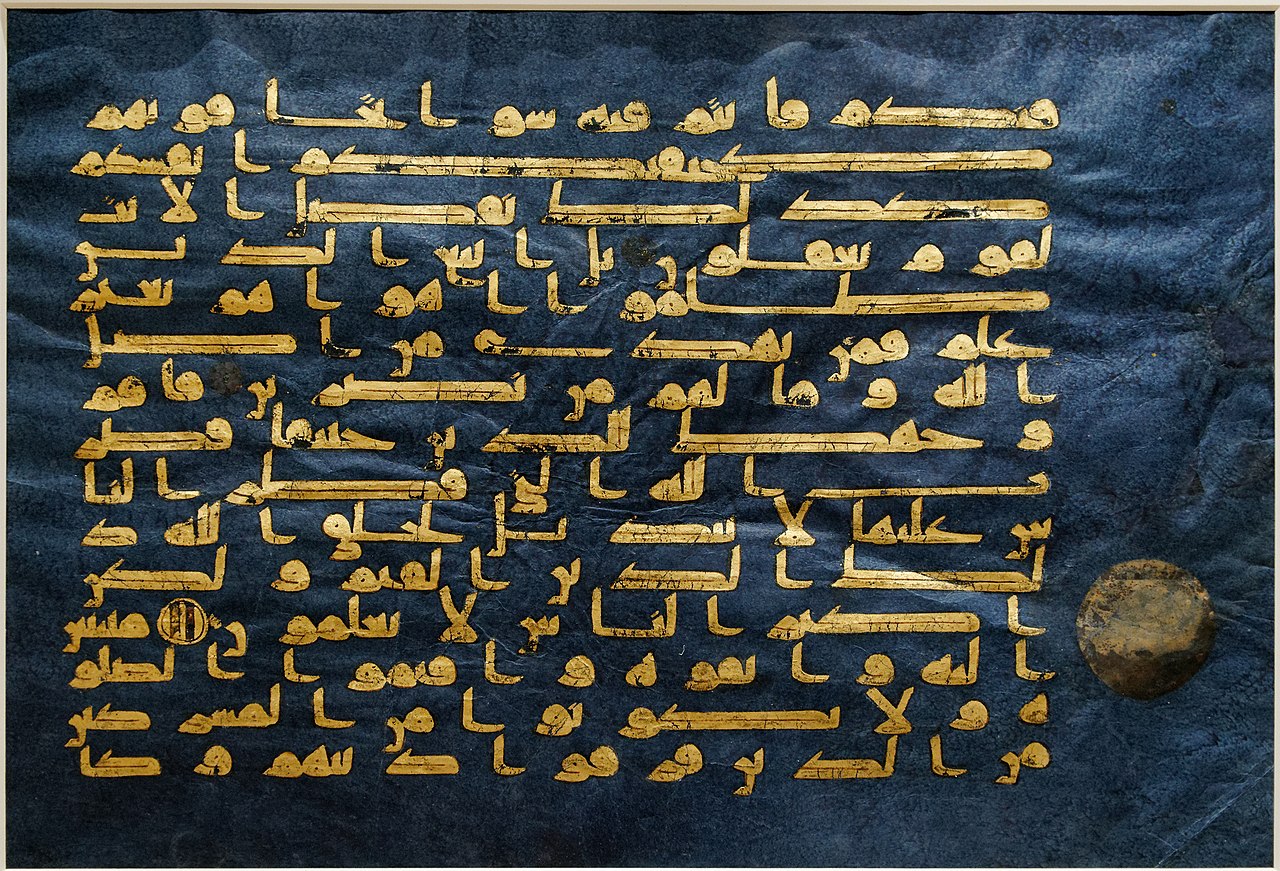
It depends on the school you follow. The Maliki school and several well-known scholars allow a woman on her period to recite the Quran from memory, while the Hanafi, Shafi'i and Hanbali schools generally don't, except as dua, dhikr or protection. Both views are respected. Listening, dhikr and dua are allowed for everyone.
The view that says don't recite
Most Hanafi, Shafi'i and Hanbali scholars say a menstruating woman shouldn't recite the Quran with the intention of recitation, just like someone who needs ghusl after intimacy. Their main evidence is a report from Ibn Umar: "The menstruating woman does not recite - nor the Junub - anything from the Qur'an" (Jami' at-Tirmidhi 131). However, many hadith scholars consider this narration weak, and it is graded da'if. They also compare a period to janabah, since Ali said the Prophet ﷺ recited "in all conditions, as long as he was not Junub" (Jami' at-Tirmidhi 146).
Even within this view, it's allowed to say verses that are duas or dhikr with that intention, such as "Bismillah" or the last verses of al-Baqarah as protection.
The view that allows it
The Maliki school allows recitation from memory during a period, and scholars like Ibn Taymiyyah held the same. Their reasoning:
- No authentic prohibition: the main hadith used against it is weak.
- A period is long and not chosen: unlike janabah, a woman can't end it by taking a bath, and she could forget what she memorized.
- Hajj guidance: when Aisha got her period during Hajj, the Prophet ﷺ told her: "So do what all the pilgrims do except that you do not perform the Tawaf round the Ka`ba till you are clean" (Sahih al-Bukhari 305). Pilgrims remember Allah constantly, and only tawaf was excluded.
Some scholars in other schools also allow it for a teacher, a student, or someone who fears forgetting her memorization. See Can I listen to the Quran while driving or doing chores?
Which one should I follow?
If you follow a school or a local teacher, follow their guidance. If you don't yet, it's reasonable to take the Maliki view, especially if you're memorizing short surahs for prayer and worry about forgetting them. Either way, there's no shame in this topic. Allah made this part of a woman's life, and the Quran reminds us:
What everyone agrees on
- Listening: play recitation as much as you like.
- Dhikr and dua: in Arabic or your own language, any time.
- Reflecting: reading a translation or tafsir to understand the meaning.
Touching the mushaf is a separate issue. For prayer, see Do I have to pray while on my period?
- Malikis allow reciting from memory on a period.
- Most other schools don't, except as dua or dhikr.
- The main hadith against it is graded weak.
- Listening and dhikr are allowed for everyone.
People also ask
Am I still rewarded if I make mistakes reading the Quran?
Yes, and maybe double: the Prophet ﷺ said one who struggles reciting the Quran gets two rewards. Keep learning and correcting.
Read the full answer →What is tajweed and do I need to learn it?
Yes, to a basic level. Tajweed is the rules for pronouncing the Quran correctly; avoid clear mistakes first, then refine.
Read the full answer →Which English translation of the Quran should I read?
It depends, but popular choices include Sahih International, The Clear Quran by Mustafa Khattab and Abdel Haleem's translation.
Read the full answer →Can I wear jewelry with Quran verses on it?
It depends on how you use it. Many scholars allow it if it's respected and removed in the bathroom, but not as a protective charm.
Read the full answer →Can I quote Quran verses on social media?
Yes, if you quote accurately and respectfully: cite surah and verse, use a reliable translation and avoid jokes or memes.
Read the full answer →