Can I take a break from the mosque for my mental health?
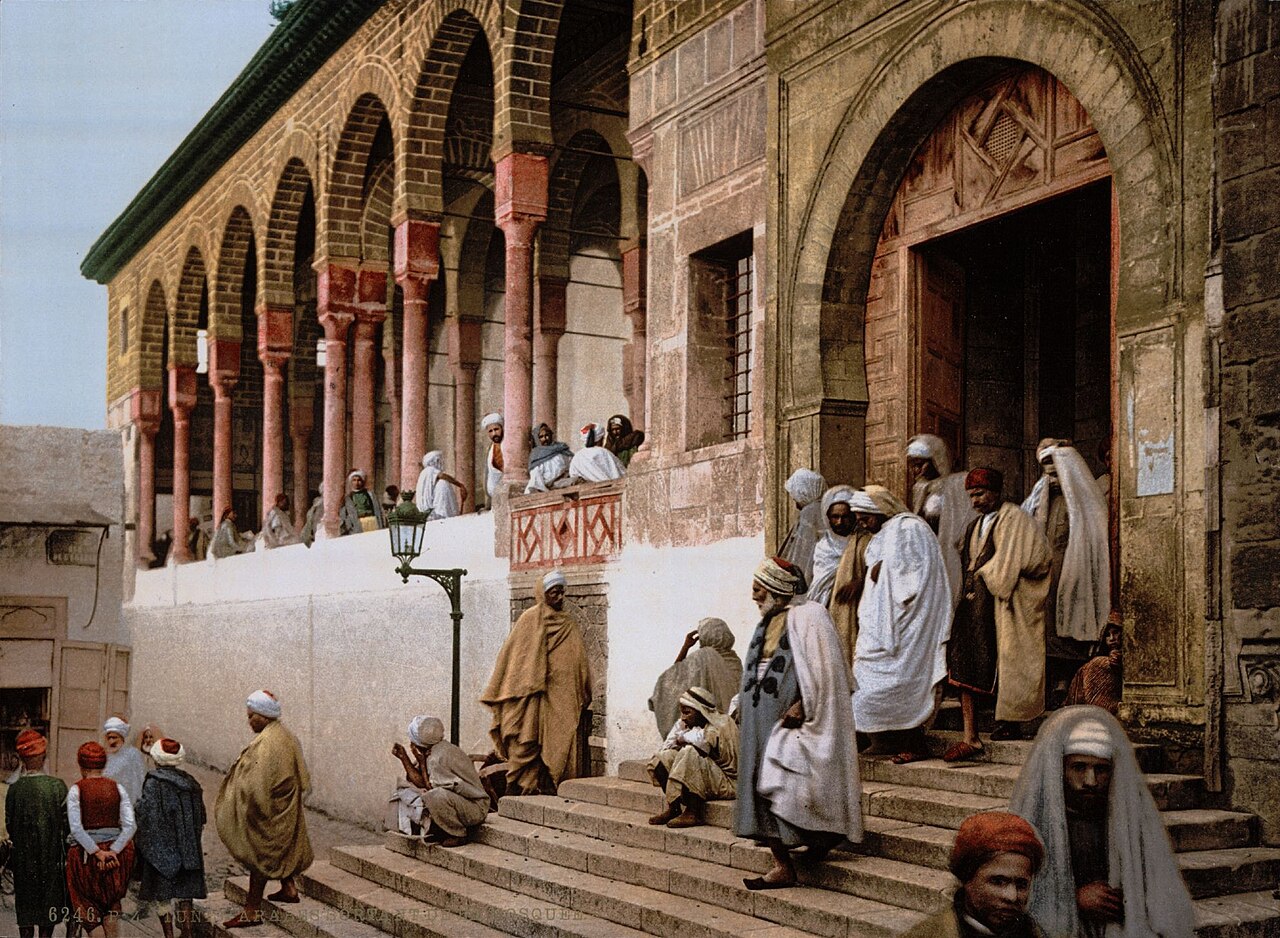
Yes, in most cases. Going to the mosque for daily prayers is highly rewarded but not obligatory, so you can step back for a while to protect your wellbeing and pray at home. Friday prayer is different for men, but genuine illness is a recognized excuse. A break from a place is not a break from Allah.
The mosque is a blessing, not a test
For many converts, the mosque is a source of peace. For others it can feel overwhelming: crowds, unwritten rules, pushy advice, cold looks or even harsh comments. If going there leaves you anxious, exhausted or close to giving up on Islam, it's wise to pause.
Islam is built on ease. The Quran says about the rules of fasting:
The Prophet ﷺ also said: "Religion is very easy and whoever overburdens himself in his religion will not be able to continue in that way" (Sahih al-Bukhari 39).
You can pray anywhere
The Prophet ﷺ said that "the earth has been made for me (and for my followers) a place for praying... therefore anyone of my followers can pray wherever the time of a prayer is due" (Sahih al-Bukhari 335). Your living room, your office or a quiet park are all valid places for your five daily prayers.
What about Friday prayer?
- Women: Jumu'ah is not obligatory, so you can pray Dhuhr at home with no sin.
- Men: All four schools (Hanafi, Maliki, Shafi'i, Hanbali) treat Jumu'ah as obligatory for healthy adult men, but illness is an accepted excuse. Many scholars include serious mental health conditions, such as severe anxiety or panic attacks, when attending would cause real harm. Pray Dhuhr instead, and ask a trusted local scholar about your situation.
- Try a middle path: a smaller mosque, arriving just before the khutbah, sitting near the door or going with a friend.
Stay connected during the break
Taking a break from the building shouldn't mean drifting from your faith or from people.
- Keep a simple home routine of prayer and a little dhikr. See What is dhikr and how do I start?
- Learn online with a teacher you trust. See Can I learn the Quran online?
- Keep one or two Muslim friends close so you're not isolated.
- Get treatment if needed: a doctor or therapist can help with anxiety or trauma linked to crowds or past experiences.
When you're ready to return
Go back slowly: one quiet prayer at an off-peak time, or one class you enjoy. If a particular person or group caused the harm, it's fine to find a different mosque. Your mental health struggles don't make you a weaker Muslim. See Is depression a sign of weak faith in Islam?
- Daily prayers at the mosque are recommended, not required.
- You can pray anywhere clean.
- Illness, including serious mental illness, can excuse men from Jumu'ah.
- Stay connected to Allah and to people during a break.
People also ask
How do I cope with Islamophobia emotionally?
Yes, you can cope, and your hurt is valid. Even the Prophet felt pain at what people said. Patience, reporting hate and caring for your heart.
Read the full answer →How do I set boundaries with toxic family as a Muslim?
Yes, you can set boundaries and still honor your family. Islam asks kindness to parents, even non-Muslim ones, but never asks you to accept abuse.
Read the full answer →How do I deal with loneliness as a new Muslim?
Yes, you can ease it. Loneliness is common for converts and not a sign of a wrong choice. Allah is near, and small steps help you find community.
Read the full answer →How do I stop feeling like a bad Muslim?
Yes, you can. Every Muslim falls short, and Allah's door stays open. How to swap shame for steady growth when you feel like a bad Muslim.
Read the full answer →How do I deal with imposter syndrome as a new Muslim?
Yes, you can. A sincere shahada makes you fully Muslim, however little you know. Why new Muslims feel like frauds and how to quiet that voice.
Read the full answer →