Can Muslims read the Bible?
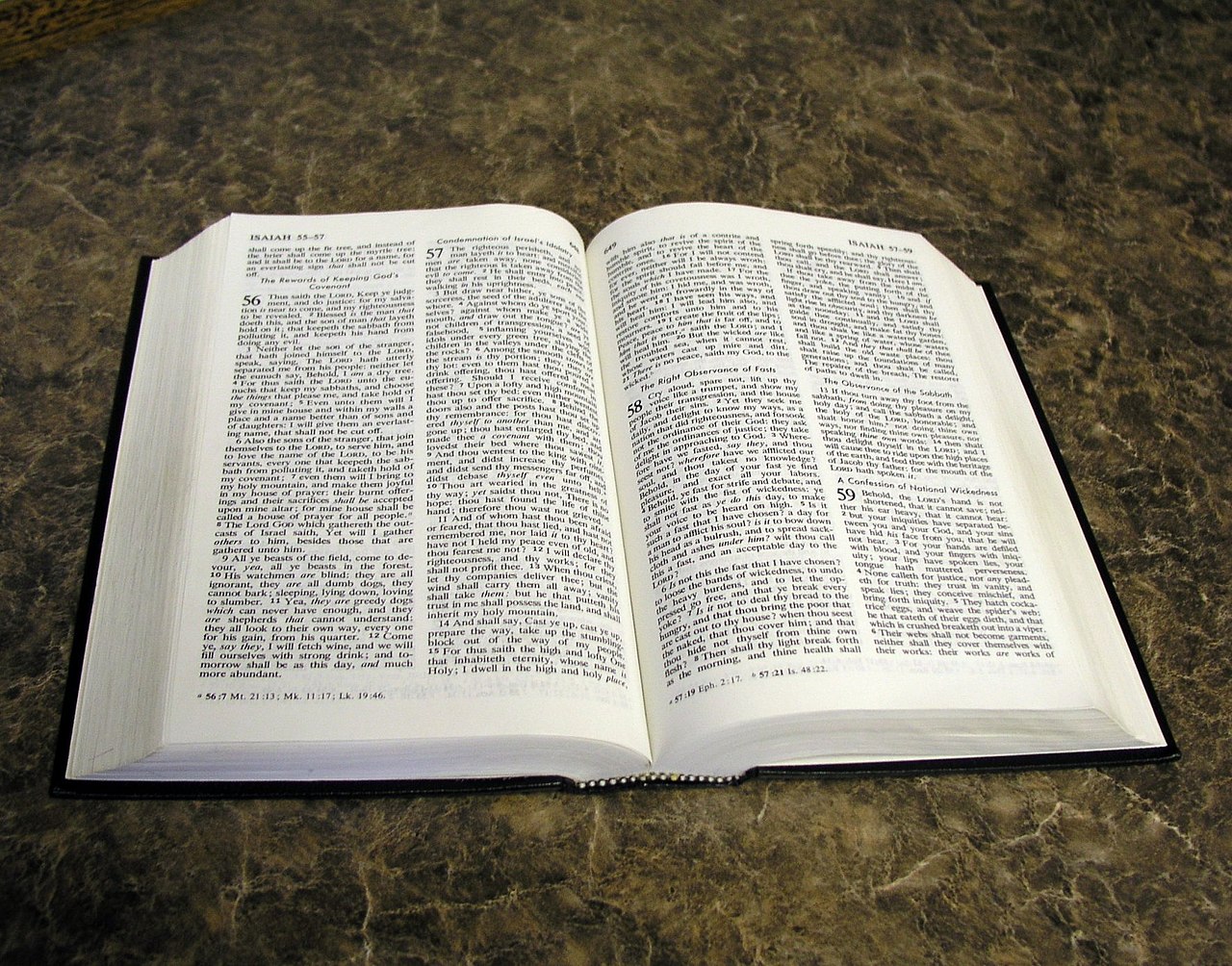
Yes, in most cases. Muslims can read the Bible to learn, to compare it with the Quran, to understand Christian family and friends, or for study. Scholars advise reading it with a clear purpose and a solid grounding in the Quran first, and treating it with respect, since Muslims believe it contains traces of earlier revelation.
Why reading it isn't forbidden
Muslims believe God revealed the Torah to Moses and the Gospel to Jesus. The Quran describes itself as the final book that confirms and checks what came before:
The Prophet ﷺ also said: "tell others the stories of Bani Israel... for it is not sinful to do so" (Sahih al-Bukhari 3461). Many classical scholars, such as Ibn Taymiyyah and al-Biqa'i, quoted the Bible in their own books to explain and compare. So reading it, in itself, isn't a sin.
Where scholars urge caution
The Companion Ibn Abbas warned Muslims against relying on the People of the Book for religious guidance when they have the Quran, "pure, undistorted and unchanged" (Sahih al-Bukhari 7363). Based on reports like this, scholars generally say:
- Know your own faith first. If you're a new Muslim who hasn't read much of the Quran yet, start there. See Where should I start reading the Quran as a new Muslim?
- Read with a purpose. Study, comparison, dawah or understanding your family are good reasons. Reading it as a daily devotional source of guidance is not.
- Don't let it shake you. If a passage creates doubts, pause and ask a knowledgeable Muslim rather than carrying the question alone.
How Muslims read it
Muslims use a simple filter taught by the Prophet ﷺ: what agrees with the Quran is accepted, what contradicts it is set aside, and what the Quran is silent about is neither confirmed nor denied (Sahih al-Bukhari 4485). Many readers enjoy noticing shared stories, like Abraham, Joseph and Moses, and the moments where the Quran tells them differently. See Do I have to believe in all the prophets to become Muslim?
Treat the book itself politely: don't toss it on the floor or mock it, especially in front of Christians who love it.
Common situations
- A course at school or university: reading set passages is fine. See Can I study religion or theology at university as a Muslim?
- Family Bible study: you can listen and talk kindly, but you don't need to join the prayers at the end.
- An old Bible from before you were Muslim: that's a separate question. See Can I keep my Bible after becoming Muslim?
- Reading the Bible isn't forbidden for Muslims.
- Have a clear purpose, like study or understanding family.
- Build a strong base in the Quran first.
- Use the Quran as the measure for what you read.
People also ask
Can Muslims take part in interfaith prayer services?
Many scholars let Muslims attend interfaith services where each faith prays its own way, but not join blended worship or others' rituals.
Read the full answer →Can Muslims say amen to a Christian prayer?
Muslims can say amen to a general prayer to God for healing or guidance, but not to prayers in Jesus' name, the Trinity or saints.
Read the full answer →Why don't Muslims make pictures of Jesus?
Muslims don't make pictures of Jesus or any prophet out of respect and to guard worship from images; Islam honours him as a great messenger.
Read the full answer →Do I have to hate my old religion to become Muslim?
No, you don't have to hate your old religion to become Muslim. You leave beliefs that clash with tawhid but keep respect, kindness and values.
Read the full answer →Can Muslims visit a Hindu or Buddhist temple?
It depends: some scholars allow Muslims a respectful visit to a Hindu or Buddhist temple to learn or sightsee, with no ritual; others say avoid it.
Read the full answer →