Can zakat be used to build wells or hospitals?
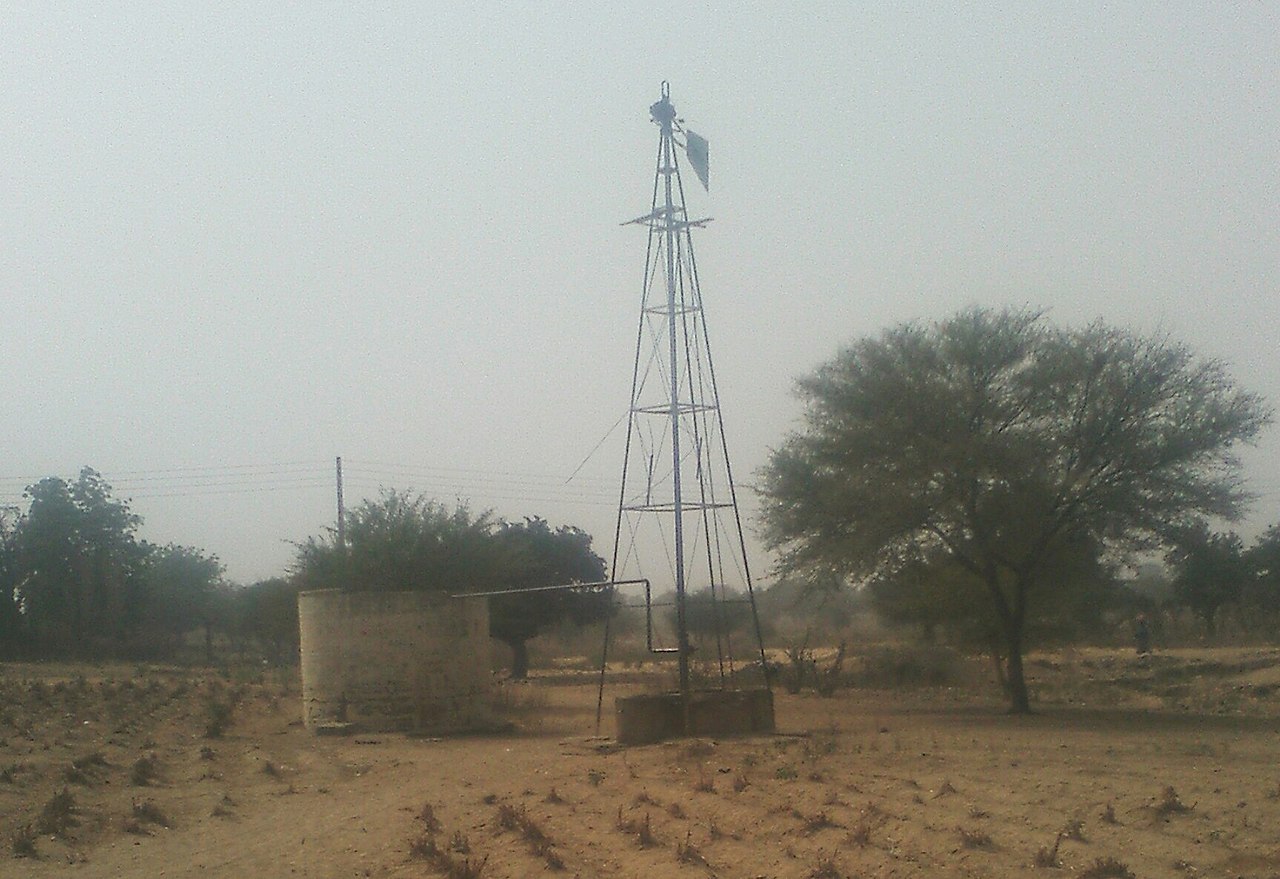
It depends, but most scholars say zakat should go to eligible people, not to building projects. The classical view of all four schools is that wells, hospitals and other public buildings are funded from general charity (sadaqah), not zakat. Some modern scholars allow it in limited cases, so many people keep zakat for the poor and fund wells from extra giving.
Who zakat is for
The Quran names eight groups who can receive zakat, and it lists people, not projects:
When the Prophet ﷺ sent Mu'adh to Yemen, he described zakat as wealth "taken from their rich and given to their poor" (Sahih al-Bukhari 1395). See Who can receive zakat?
Why most scholars say no to buildings
- Ownership: Hanafi scholars stress that zakat must become the property of a poor person (tamlik). A well or hospital belongs to the public, not to one poor owner.
- "The cause of Allah": the majority of Hanafi, Maliki, Shafi'i and Hanbali scholars understood this category narrowly (mainly those striving in Allah's path), not as "any good cause".
- Rich people benefit too: a public hospital or well is used by everyone, while zakat has a specific target.
The minority and modern view
Some contemporary scholars read "the cause of Allah" more broadly, and some fatwa bodies allow zakat for projects that serve mainly the poor, such as a water point in a drought area where only poor families live, or free treatment given directly to poor patients. Paying a poor patient's hospital bill is closer to the classical view than paying for the building itself, because the benefit goes straight to an eligible person.
A simple way to handle it
Keep your zakat for the eight groups, and give for wells and hospitals from your sadaqah. Building a well is one of the best forms of ongoing charity, and its reward continues as long as people drink from it. See What is sadaqah jariyah? If a charity says a project is "zakat eligible", ask how it applies that ruling and which scholars it follows. The same question comes up with mosques; see Can I give zakat to a mosque?
- Quran 9:60 lists eight groups of people who receive zakat.
- The classical view: buildings like wells and hospitals come from sadaqah.
- Some modern scholars allow projects that serve only the poor.
- Paying a poor patient's medical bill is a safer use of zakat.
People also ask
Can I give zakat as food instead of money?
It depends: most scholars say zakat on money is paid in money, while Hanafis allow food of equal value. Zakat al-fitr is food by default.
Read the full answer →What does the Quran say about zakat?
The Quran says zakat is a duty paired with prayer, names eight groups who receive it, promises reward and warns those who hoard wealth.
Read the full answer →Does zakat purify my wealth?
Yes, zakat purifies your wealth and heart and brings blessing to what remains, but it does not make interest or other haram income clean.
Read the full answer →Can I give zakat to a stranded traveler?
Yes, you can give zakat to a stranded traveler (ibn as-sabil), even one who is rich at home. Who qualifies, how much to give, and how to avoid scams.
Read the full answer →Can I give zakat to my own children?
No, you can't give zakat to your own children or grandchildren, since supporting them is your duty. Spending on them and sadaqah are still rewarded.
Read the full answer →