Do Muslims believe in the Bible?
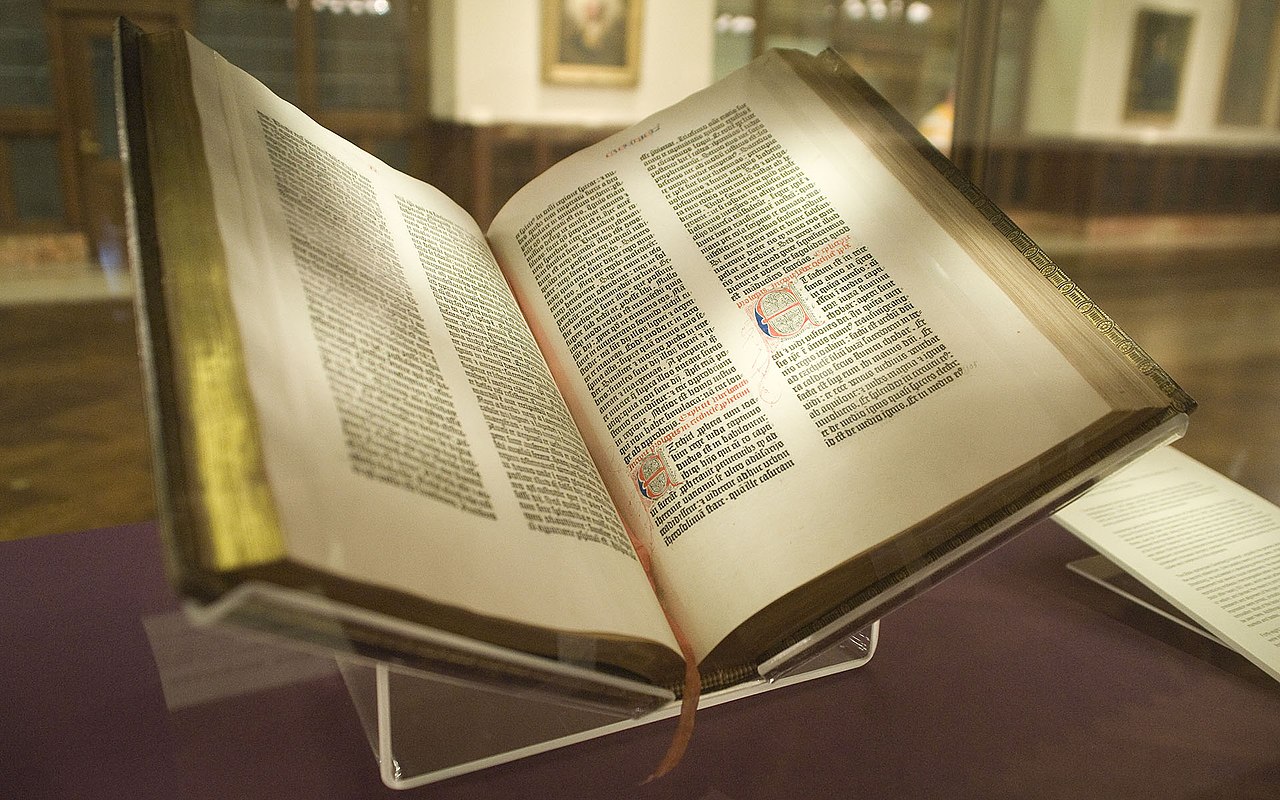
Yes, in part. Muslims believe God revealed the Torah to Moses, the Psalms (Zabur) to David and the Gospel (Injil) to Jesus. Believing in these original revelations is part of Islamic faith. But Muslims don't believe the Bible as we have it today is exactly those original books, so they read it with respect and use the Quran as the final reference.
Belief in earlier scriptures
Islam has six articles of faith, and one of them is belief in God's revealed books. The Quran describes itself as confirming what came before it:
The Quran also says the Gospel given to Jesus contained "guidance and light" (Quran 5:46). So a Muslim would never mock the Bible or the people who love it.
Why it's "in part"
Muslims make a distinction between the original revelation and the books we hold today:
- The Gospel (Injil): Muslims believe this was a message given to Jesus himself. The four Gospels in the New Testament were written later by others about his life.
- Human changes: the Quran says some earlier communities changed or lost parts of their scripture over time. Many Christian scholars also discuss how the biblical texts developed.
- Different versions: Catholic, Protestant and Orthodox Bibles don't contain exactly the same books.
Because of this, Muslims believe the Bible still contains true guidance from God alongside human additions, and the Quran is the final, preserved revelation that confirms what is true in it.
How Muslims treat Bible passages
The Prophet ﷺ gave simple advice about stories from the People of the Book (Jews and Christians): "Do not believe the people of the Scripture or disbelieve them, but say: 'We believe in Allah and what is revealed to us'" (Sahih al-Bukhari 4485). In practice:
- If it agrees with the Quran, Muslims accept it.
- If it contradicts the Quran, Muslims don't accept it.
- If the Quran is silent, Muslims neither confirm nor deny it.
Shared stories
Many people are surprised by how much overlaps: Adam, Noah, Abraham, Joseph, Moses, David, Jonah, Mary and Jesus all appear in both books. Muslims are asked to believe in all of God's prophets equally (Quran 2:136). See Do I have to believe in all the prophets to become Muslim?
If you're a Christian thinking about Islam, you don't have to throw your Bible away. See Can I keep my Bible after becoming Muslim?
- Muslims believe God revealed the Torah, Psalms and Gospel.
- They see today's Bible as partly changed over time.
- The Quran is the final reference for what is true.
- Muslims treat the Bible and Christians with respect.
People also ask
Do Muslims believe in Noah's Ark?
Yes, Muslims believe in Noah's Ark and the flood. The Quran tells the story, says the ark rested on al-Judi, and draws lessons on patience.
Read the full answer →Do Muslims believe in David and Solomon?
Yes, Muslims believe David (Dawud) and Solomon (Sulayman) were prophets and kings. God gave David the Psalms and Solomon a unique kingdom.
Read the full answer →Do Muslims believe in Jesus?
Yes, Muslims believe in Jesus as a great prophet and the Messiah, born of the Virgin Mary, but not as God. Here's what the Quran says.
Read the full answer →Do Muslims believe in Joseph?
Yes, Muslims believe Joseph (Yusuf) was a prophet. Surah Yusuf tells his whole story, which the Quran itself calls the best of stories.
Read the full answer →Do Muslims believe in Abraham?
Yes, Muslims believe in Abraham (Ibrahim) as a great prophet and friend of God, honored in every prayer, in Hajj and on Eid al-Adha.
Read the full answer →