How do I choose a Muslim-friendly university?
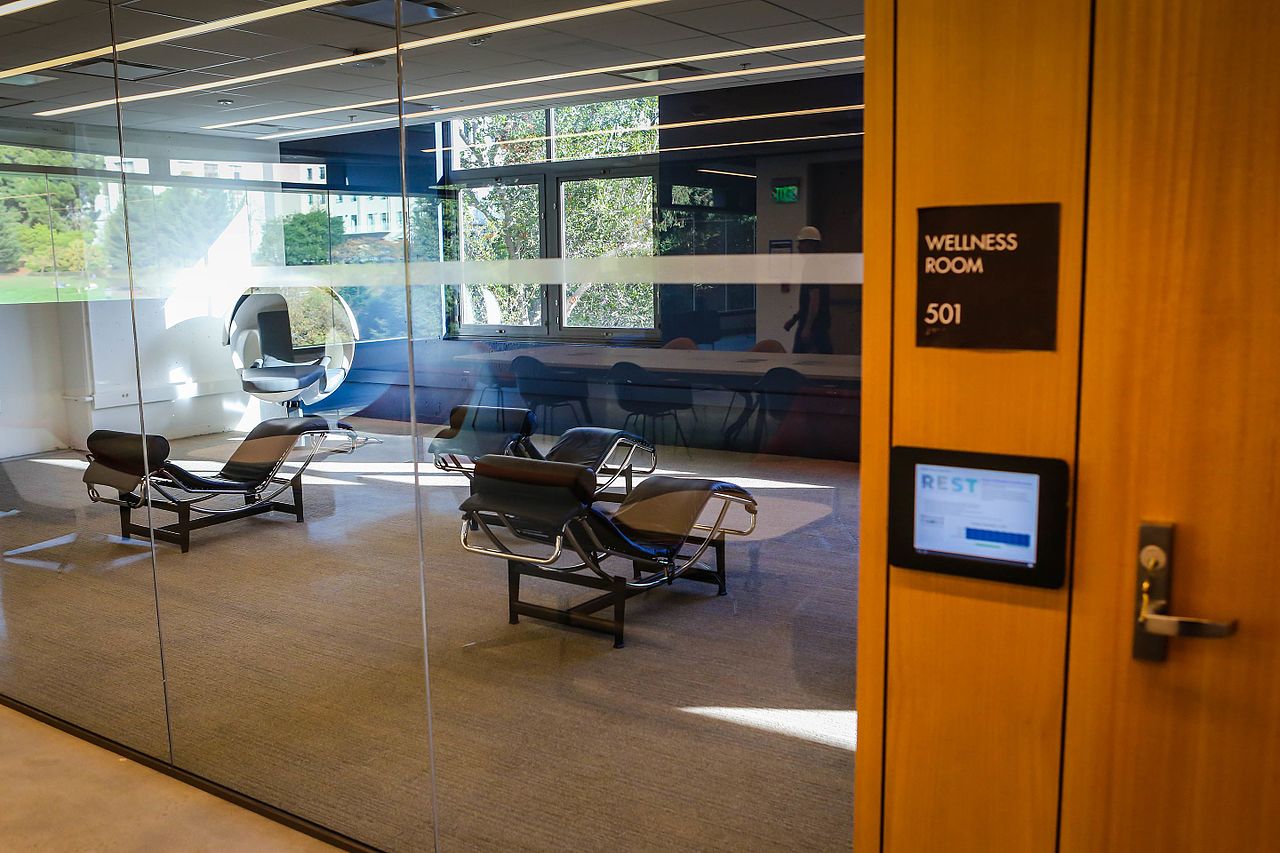
Look beyond rankings and check a few things: prayer space and a nearby mosque, an active Islamic Society or MSA, halal food, and housing options. The course and the career matter most, but these details decide how easy it will be to practise Islam day to day.
1. Prayer space and a mosque nearby
Ask whether there's a dedicated prayer room or multi-faith room, how far it is from your department, and whether it has wudu facilities. A room ten minutes away makes Dhuhr and Asr between lectures much easier than one across town. Many universities list this on their chaplaincy or faith pages. See How do I pray at school or university?
A local mosque gives you Jumu'ah, Eid prayers, classes and families who may invite you for dinner. Living near one makes a huge difference over three or four years, so search for mosques within walking or bus distance before you accept an offer.
2. An active Muslim community
A lively Islamic Society (UK) or Muslim Student Association (USA) means Friday prayers on campus, study circles, iftars in Ramadan and friends who share your values. That matters a lot, especially for new Muslims. The Prophet ﷺ compared a good companion to a perfume seller: even if you don't buy, you leave smelling good (Sahih al-Bukhari 2101). Check the society's social media to see how active it is. See Can I join the Muslim Student Association as a new Muslim?
3. Halal food
Ask whether the dining hall labels halal options and whether there are halal shops nearby. Some campuses offer halal meat daily; others only vegetarian options. Self-catered housing gives you more control. See Can I eat at the university cafeteria as a Muslim?
4. Housing and student life
- Single-gender or quiet halls: many universities offer women-only, men-only or alcohol-free floors if you ask.
- Party culture: some campuses are built around drinking; others have a more mixed social life.
- Faith accommodations: check the policy on exams during Eid or Friday prayer clashes.
- Chaplaincy: a Muslim chaplain is a great sign of support.
For more, see Can I live in mixed student housing as a Muslim?
Weighing it all up
No university is perfect. A great course at a place with a small but warm Muslim community can be better than a famous one where you'd feel alone. Make your intention to study for good, pray istikhara, and ask current Muslim students what life is really like. Open days are a good chance to visit the prayer room yourself.
- Check prayer rooms, the Islamic Society or MSA, halal food and housing.
- A nearby mosque and good friends help you stay strong.
- Ask about faith accommodations and alcohol-free halls.
- Balance these with the course, cost and your career goals.
People also ask
Is it haram to record lectures without permission?
Recording lectures without permission is haram if it breaks your university's rules or a trust; with permission or allowed by the rules, it's fine.
Read the full answer →Can I write my dissertation about Islam?
Yes, you can write your dissertation about Islam. It counts as seeking knowledge; stay honest, report scholarly views, and avoid plagiarism.
Read the full answer →Can I keep my camera off in online classes?
Yes, Muslim students can usually keep their camera off in online classes for modesty or privacy, but should follow rules for exams and ID checks.
Read the full answer →What if my roommate's partner stays over?
If your roommate's partner stays over, you aren't sinful for their choices, but you can set guest rules and protect your privacy, hijab and sleep.
Read the full answer →Can I learn from a non-Muslim teacher?
Yes, Muslims can learn from a non-Muslim teacher for worldly subjects; take religious beliefs and rulings from qualified Muslim scholars.
Read the full answer →