How do I cope with chronic illness as a Muslim?
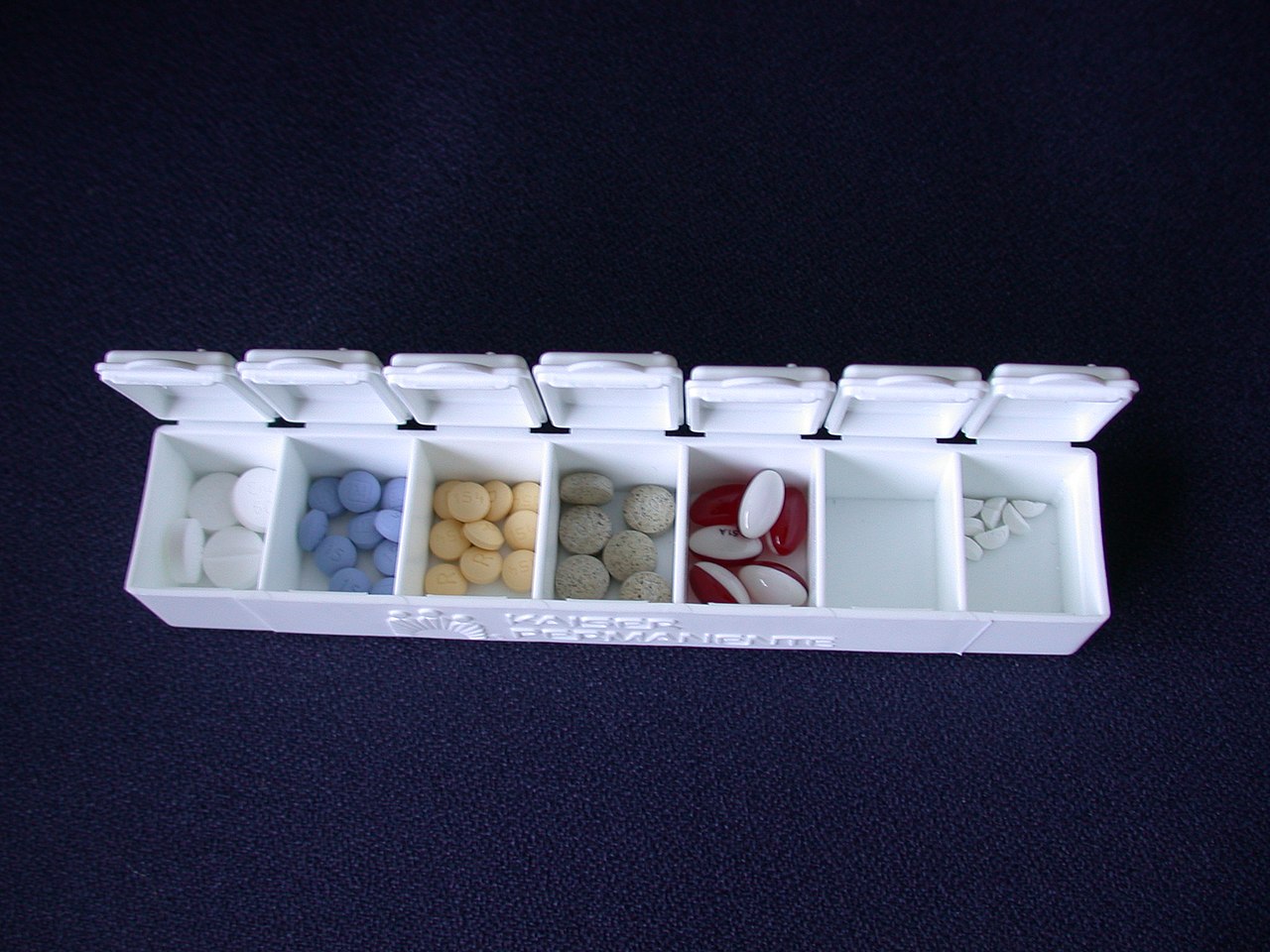
Cope by taking your treatment seriously, using the many concessions Islam gives the sick, and trusting that every hard day counts with Allah. Chronic illness is not a sign Allah has abandoned you. Islam makes worship easier for you, rewards your patience, and lets you feel tired, sad or frustrated along the way.
Illness is not a punishment
Many people with long-term conditions quietly wonder, "What did I do wrong?" Islam's answer is gentle. The Prophet ﷺ said that no fatigue, illness, worry, sadness or harm befalls a Muslim, even the prick of a thorn, without Allah wiping away some of their sins because of it (Sahih al-Bukhari 5641). Your pain is not wasted.
He also said that when a person falls ill or travels, they are rewarded for the good deeds they used to do while healthy and at home (Sahih al-Bukhari 2996). If you used to pray at the mosque, fast Mondays or volunteer, that reward can keep coming even when your body can't.
Allah only asks what you can carry
This is built into the rules:
- Prayer: pray standing if you can, sitting if you can't, and lying on your side if you can't sit (Sahih al-Bukhari 1117). You may combine prayers when illness makes it very hard, according to many scholars (Hanbalis especially).
- Wudu: if water harms you, tayammum (dry ablution) is allowed, and you can wipe over bandages and casts.
- Fasting: if fasting harms you, you don't fast. If it never gets better, you feed a poor person for each day instead (Quran 2:184).
- Medicine: taking your medication is part of trusting Allah, not a lack of it.
Feeling low is part of being human
Frustration, grief for your old life and even anger are normal with chronic illness. Patience (sabr) doesn't mean pretending you're fine or refusing help. See Does sabr mean I shouldn't ask for help? If you feel angry at Allah, bring that to Him honestly in dua and ask Him to soften it. See Is it a sin to feel angry at Allah?
Depression is common with long-term illness, so tell your doctor if your mood stays low.
Small habits for hard days
- Lower the bar. On bad days, the five prayers (in whatever position you can) and a few words of dhikr are enough.
- Make dua for healing. The Prophet ﷺ taught specific duas for pain and sickness. See What dua can I say when I'm sick?
- Let people help. Accepting help lets others earn reward too.
- Find your people. Online groups for Muslims with chronic illness or disability can be a real lifeline.
- Illness wipes away sins and is not a sign of Allah's anger.
- You keep the reward of deeds you used to do when healthy.
- Prayer, wudu and fasting rules are eased for the sick.
- Treatment and asking for help are part of sabr.
People also ask
Is being overweight a sin in Islam?
No, being overweight is not a sin in Islam. Allah judges hearts and deeds, not bodies, but Islam does encourage moderate eating and an active life.
Read the full answer →Can I go to the mosque with a cold or flu?
It's better to stay home from the mosque with a cold or flu while contagious. Illness excuses you from Jumu'ah, and you keep the full reward.
Read the full answer →Can I pray with a stoma bag?
Yes, you can pray with a stoma bag. It counts as a constant medical excuse: make wudu once prayer time begins, then pray without removing the bag.
Read the full answer →How do I deal with health anxiety as a Muslim?
Deal with health anxiety as a Muslim by getting sensible medical care, trusting Allah with the outcome, limiting checking, and trying CBT.
Read the full answer →Can I become Muslim if I have a disability?
Yes, you can become Muslim if you have a disability. The shahada can be signed or written, and worship is adjusted to what you're able to do.
Read the full answer →