Is hijama good for sports recovery?
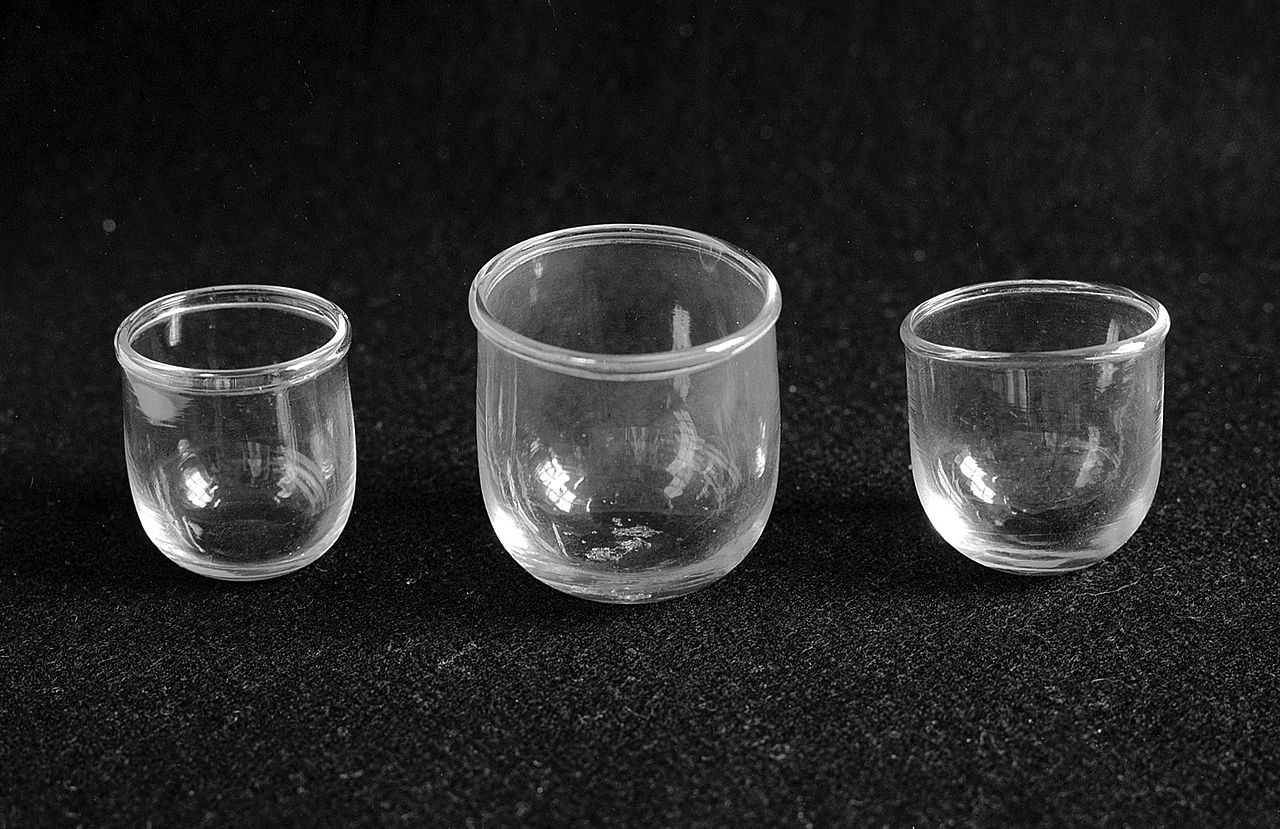
It depends. Hijama (wet cupping) is a recommended sunnah treatment, and many athletes like how it feels after hard training. But modern research on cupping for sports recovery is limited and mixed, so treat it as a complement to sleep, food and physio, not a replacement. Talk to your doctor first.
Hijama in the Sunnah
Hijama means "cupping": small cups create suction on the skin, and in wet cupping tiny cuts let a little blood out. The Prophet ﷺ was cupped himself and paid the person who did it. He said: "If there is any healing in your medicines, then it is in cupping, a gulp of honey, or branding with fire, and I do not like to be cauterized" (Sahih al-Bukhari 5683).
So hijama is clearly allowed and many Muslims do it with the intention of following the Sunnah. Scholars note, though, that the Prophet ﷺ used it as a treatment, not as a ritual act of worship that everyone must do.
What the science says about recovery
Athletes such as Olympic swimmers have made "cupping marks" famous. Some small studies report less pain and a feeling of looser muscles after cupping. Larger reviews say the evidence is still low quality, and benefits for performance or faster muscle repair aren't proven. Part of the effect may simply be relaxation.
That's fine: Islam doesn't ask you to believe a treatment is magic. Use what helps, and remember healing ultimately comes from Allah.
Safety first
- Go to a trained, licensed practitioner who uses single-use blades and sterile cups. In the UK and USA, look for clinics registered with a professional body.
- Check with your doctor if you have anemia, a heart condition, diabetes or take blood thinners.
- Don't cup right before a game. Leave a day or two, and drink well afterwards.
- Fasting: scholars differ on whether hijama breaks the fast. Most say it doesn't, but the Hanbalis say it does, so many people book it after iftar. See Can I donate blood while fasting?
Recovery the Sunnah way
The best recovery plan is boring but proven: enough sleep, good food, water, stretching and rest days. The Prophet ﷺ encouraged balance and strength, and looking after your body is part of gratitude. See Does Islam encourage exercise? When you're sore or injured, you can also make dua for healing. See What dua can I say when I'm sick?
- Hijama is a recommended prophetic treatment (Sahih al-Bukhari 5683).
- Evidence for faster sports recovery is limited and mixed.
- Use a licensed practitioner and ask your doctor first.
- Sleep, food, water and rest days remain the base of recovery.
People also ask
How do I pray in hospital?
You pray in hospital as your body allows: standing, sitting or lying down. Wudu or tayammum, catheters and drips, qibla, and asking staff for help.
Read the full answer →How do I avoid heartburn while fasting?
To avoid heartburn while fasting, break your fast with dates, eat smaller meals slowly, skip fried and spicy food, and don't lie down after eating.
Read the full answer →What dua can I make for someone who died?
For someone who died, ask Allah to forgive and have mercy on them: "Allahummaghfir lahu warhamhu". Funeral dua, Quran dua and non-Muslim relatives.
Read the full answer →Can I fast with high blood pressure?
Yes, many people with well-controlled high blood pressure can fast with their doctor's approval. Medication timing, diuretics and warning signs.
Read the full answer →How do I avoid headaches while fasting?
To avoid headaches while fasting, cut caffeine before Ramadan, drink water from iftar to suhoor, never skip suhoor and get enough sleep.
Read the full answer →