Is investing in stocks gambling?
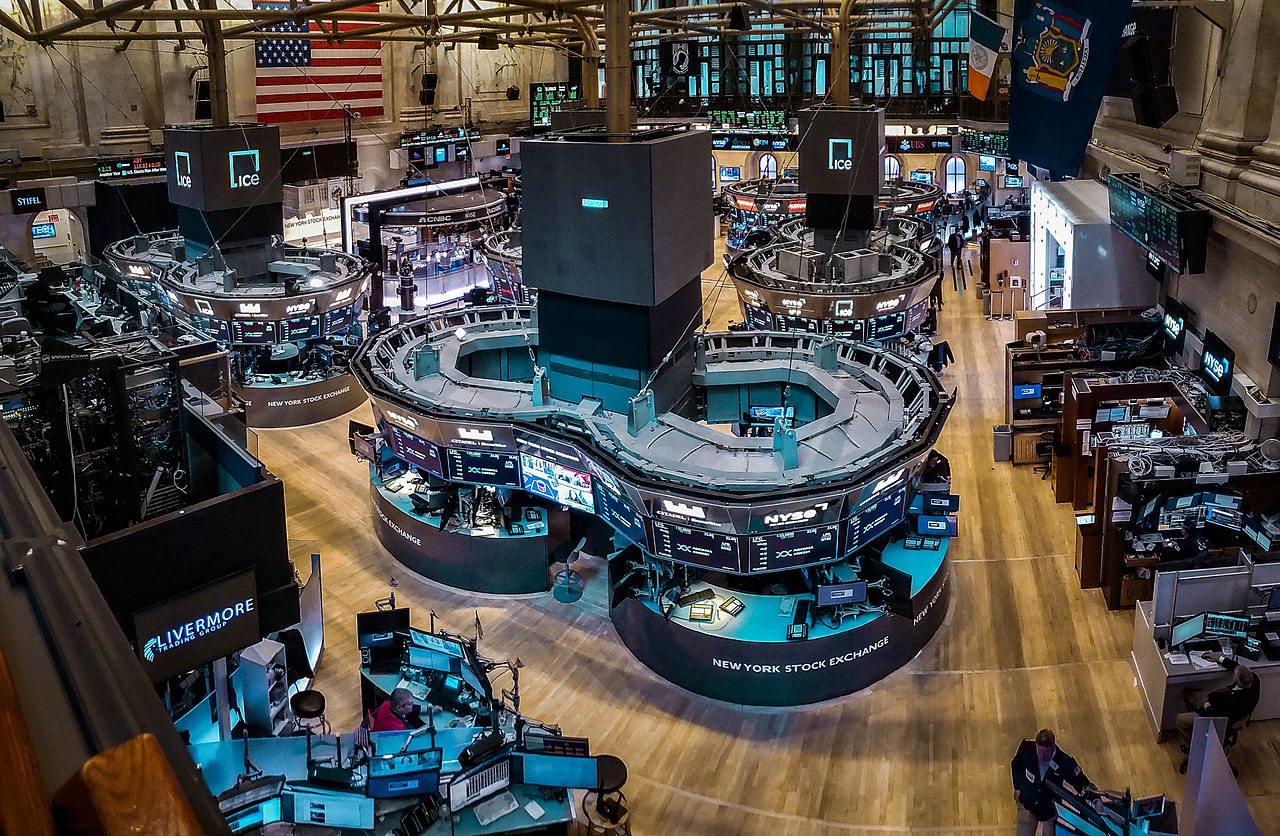
No, investing in stocks is not gambling in Islam, as long as you buy shares in halal companies. A share is part-ownership of a real business that makes products and profits. Gambling is a bet where one person's win is another's loss by pure chance. But some kinds of trading, like options, leveraged bets and meme-stock frenzies, can slide into gambling (maysir).
Ownership vs chance
When you buy a share, you own a small piece of a company: its buildings, products, staff and future profits. If the business does well, your share is worth more and you may receive dividends. If it struggles, you share the loss. That's the kind of risk-sharing Islam encourages in trade. The Quran allows "business by mutual consent" (Quran 4:29), and most scholars treat holding shares in halal companies the same way. See Can I invest in stocks as a Muslim?
Gambling is different. In a lottery or a bet, no value is created. Money just moves from losers to winners based on luck. That's why the lottery is clearly haram. See Can I still buy lottery tickets as a Muslim?
Risk isn't the same as gambling
Every business carries risk: a shop owner or farmer doesn't know next year's profit either. Islam doesn't forbid risk; it forbids gambling and excessive uncertainty (gharar) where the deal itself is a gamble. The Prophet ﷺ forbade the kind of transaction "which involves some uncertainty" (Sahih Muslim 1513), which scholars understand as uncertainty that's heavy and avoidable, not the normal ups and downs of business.
Where trading slides into maysir
- Options and most derivatives: many scholars say these are bets on a price, often with nothing owned, and reject them.
- CFDs, spread betting and leverage: these involve interest and are often legally classed as betting in the UK.
- Meme stocks and hype trading: buying because "it might go to the moon", with no idea what the company does, is closer to a gamble in spirit, even if the share itself is halal.
- Haram businesses: shares in casinos, alcohol or conventional banks are out regardless.
Scholars also warn about the doubtful middle ground. The Prophet ﷺ said that what is lawful is clear and what is unlawful is clear, and whoever avoids the doubtful things in between protects their religion (Sahih al-Bukhari 52).
Investing with the right mindset
Know what the company does, check that it passes Shariah screening, invest for the long term, and only use money you can afford to leave invested. Remember zakat on what you hold. See Do I pay zakat on stocks? This is general information, not personal investment advice.
- Shares are ownership of real businesses, not bets.
- Normal business risk is allowed; gambling and heavy gharar are not.
- Options, CFDs and leverage are where trading turns into maysir.
- Screen companies and invest with a long-term mindset.
People also ask
Is a savings circle halal?
Yes, a savings circle (committee, pardner, tanda, susu) is halal if everyone pays and receives the same amount with no bidding or fees.
Read the full answer →What is sukuk?
Sukuk are Islamic bonds: asset-backed certificates that pay rent or profit instead of interest. How they work and how to invest in them.
Read the full answer →Can Muslims build a credit score without paying interest?
Yes, Muslims can build a credit score without paying interest: pay cards in full, use secured cards, rent and utility reporting. What to avoid.
Read the full answer →Is crypto staking halal?
Is crypto staking halal? Native validator staking can be allowed as pay for work, but fixed-yield 'earn' and lending products are usually riba.
Read the full answer →Is health insurance haram?
Is health insurance haram? Most scholars allow it for Muslims in the West where care is unaffordable or cover is required. Takaful is preferred.
Read the full answer →