Is soap made with animal fat halal to use?
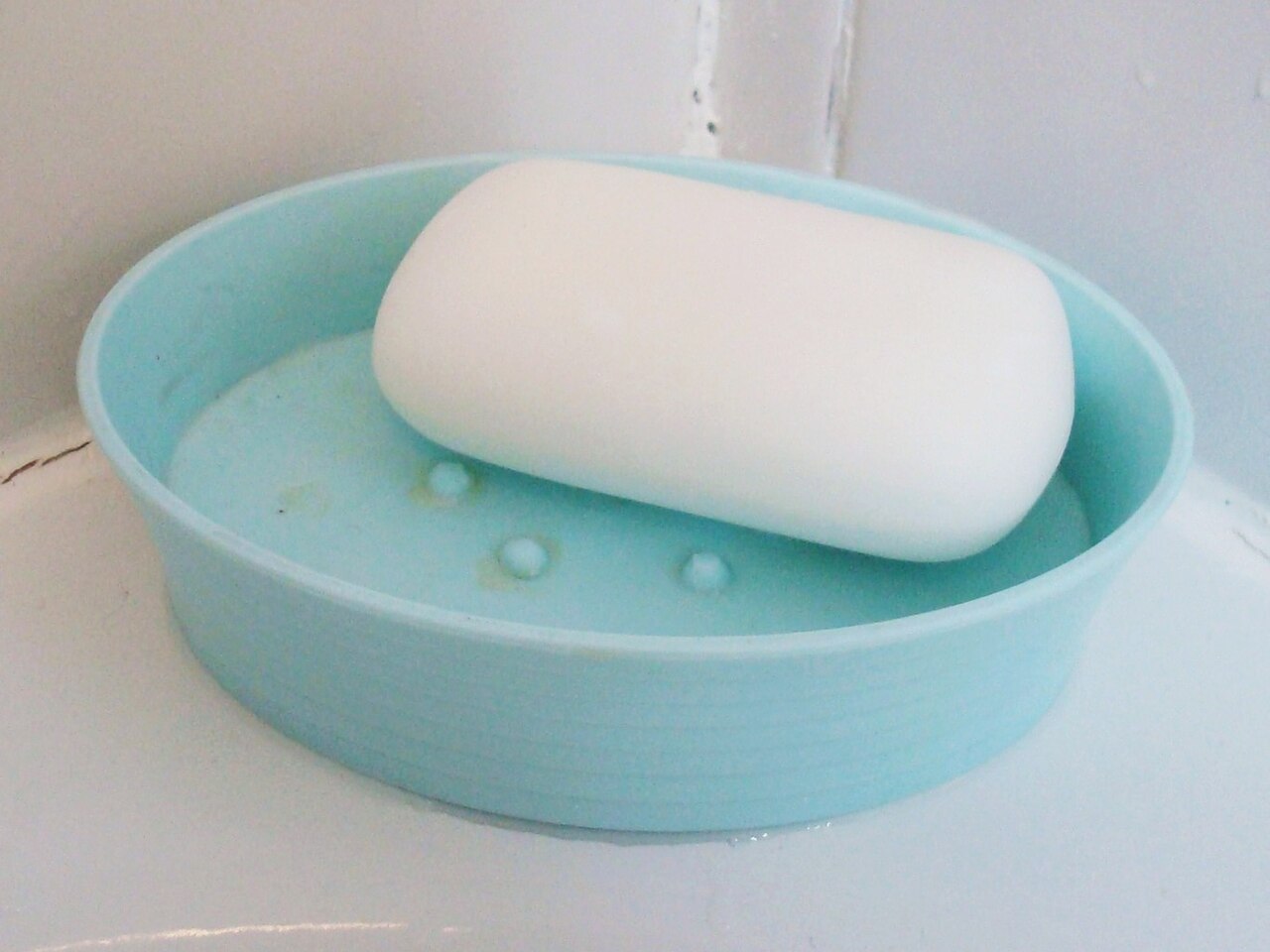
Usually yes. Soap made from the fat of a permitted animal, such as beef or sheep tallow, is fine to wash with, since you use it on your body and don't eat it. The main concern is pork fat (lard), and scholars differ on it. If you want to be sure, plant-based and halal-labelled soaps are easy to find.
Eating and washing are different questions
Islam's rules on forbidden food focus on eating. The Prophet ﷺ once passed a dead sheep and asked why its owners hadn't used the hide. When they said it was dead, he replied that only eating it is forbidden (Sahih al-Bukhari 1492). Scholars use this kind of report to show that being forbidden to eat doesn't automatically stop you from using an animal product externally.
So for soap made from beef or mutton tallow, most scholars see no problem. It's no different from leather or a wool coat.
The pork fat question
The Quran calls swine impure (Quran 6:145), so pig fat is treated more seriously. Here is how scholars approach soap made from it:
- Many scholars point to istihalah, which means complete transformation. When fat is chemically turned into soap, the result is a new substance with new properties, and they say it is no longer the original impure thing. Many contemporary fiqh bodies accept this reasoning.
- Others are stricter and say an impure source stays impure, so they avoid it for the body, and especially for anything touching prayer clothes.
Both views exist. If you live in a place where soap is cheap and options are plenty, choosing a plant-based one is the simplest way to avoid the dispute. See Why can't Muslims eat pork?
How to read the label
- Sodium tallowate: soap made from tallow, usually beef or sheep. Fine for most scholars, though it doesn't say whether the animal was slaughtered the halal way.
- Sodium lardate: soap from lard, which is pork fat. This is the one to avoid if you want to stay clear of the disagreement.
- "Animal fat" or "animal-derived": unclear. Ask the maker, or pick another bar.
- Sodium palmate, cocoate, olivate, shea butter: plant-based, with no issue at all.
Is halal certification needed?
Not for soap. Halal certification is common for food, and some soap brands add it for peace of mind. A "vegan" or "plant-based" label does a similar job. If you do see a halal logo, check that it's from a body you trust. See How do I know if a halal certificate is real?
Wudu and prayer
Soap residue is not a problem for wudu, as long as you rinse until the water runs clear and no thick layer is stuck on the skin. If you follow the stricter view on pork-fat soap and you've used some, wash your hands and clothes again with water before praying.
- Soap from beef or sheep tallow is fine for washing.
- Pork fat soap is disputed: some accept it after complete chemical change, others avoid it.
- "Sodium lardate" means pork fat; "sodium tallowate" usually means beef or sheep.
- Plant-based soaps avoid every concern.
People also ask
Is toothpaste with glycerin halal?
Usually yes: glycerin in toothpaste is mostly plant-based or synthetic, and toothpaste isn't swallowed. Choose vegetable glycerin for peace of mind.
Read the full answer →Is teeth whitening haram?
No, teeth whitening is generally not haram. Many scholars allow safe stain removal; only filing or reshaping teeth for beauty is warned against.
Read the full answer →Is skin lightening haram?
It depends: treating dark spots medically is allowed, but bleaching your natural skin colour is discouraged and harmful creams are forbidden.
Read the full answer →Is scalp micropigmentation haram?
It depends: many scholars say scalp micropigmentation is best avoided because it works like a tattoo, but some allow it for medical hair loss.
Read the full answer →Is leather from non-halal slaughter pure for prayer?
Yes, in most cases. Hanafi and Shafi'i scholars say tanned leather is pure for prayer even from non-halal slaughter, except pig leather.
Read the full answer →