What if I prayed in the wrong qibla direction?
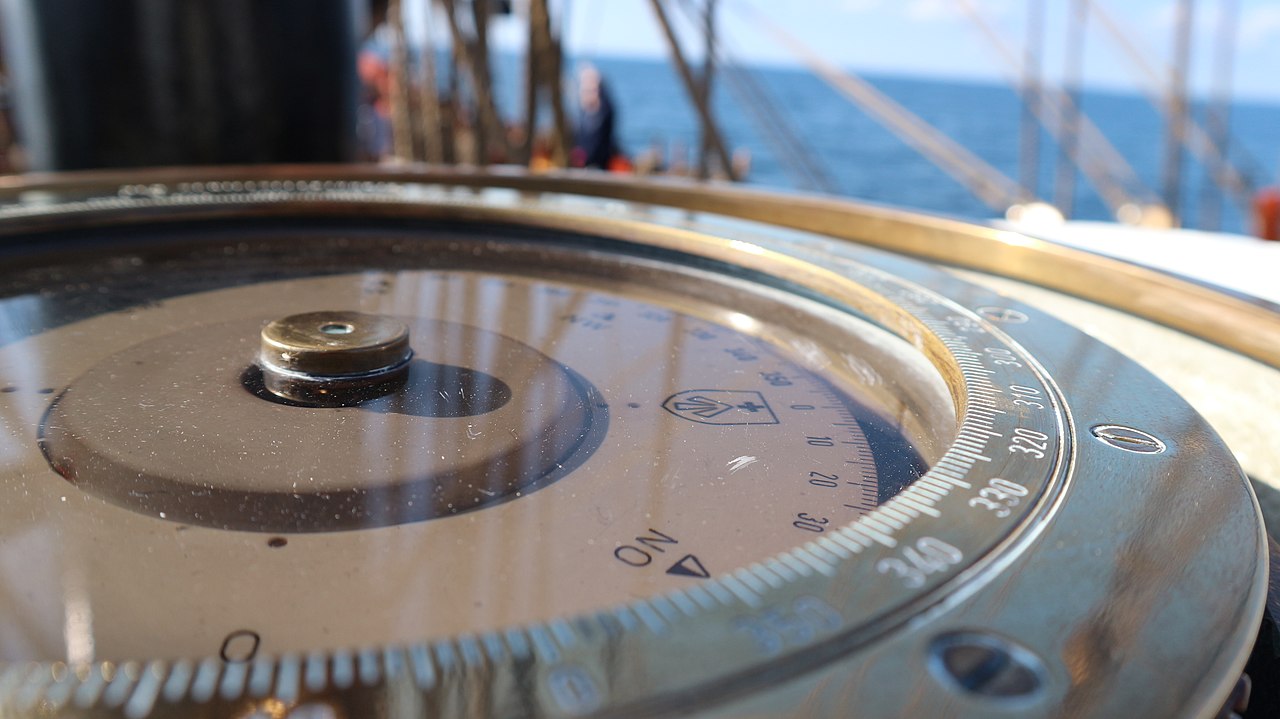
If you made a sincere effort to find the qibla and later learned it was wrong, your prayer is valid and you don't need to repeat it, according to most scholars. If you realise during the prayer, simply turn to the correct direction and carry on. Only if you didn't try to find the qibla at all do many scholars say to repeat the prayer.
Allah knows you tried
Facing the qibla is a condition of prayer, but Allah only asks for what you can do. The Quran reminds us:
Many commentators linked this verse to situations where the direction was unclear, such as travel or darkness. If you checked a compass, an app, or asked someone, and still got it wrong, you did what was required. See What is the qibla?
If you notice during the prayer
When the qibla was changed from Jerusalem to the Kaaba, the people at the Quba mosque were in the middle of Fajr when a man told them the news. They turned around toward the Kaaba while still praying and completed it (Sahih al-Bukhari 403). So if you realise mid-prayer that you're facing the wrong way, turn to the right direction and continue. No need to start over.
When scholars say to repeat
- No effort at all: if you just guessed without checking when you easily could have, many scholars say repeat the prayer, even if you happened to be close.
- Known error, still in time: some Shafi'i scholars say that if you become certain of a big error while the prayer time is still in, repeating is better. Most scholars don't require it.
- Small differences: being a few degrees off doesn't matter. Far from Mecca, you only need the general direction.
Months of prayers in the wrong direction?
This is a common worry for converts who set up their prayer corner before learning how to check properly. If you honestly believed you were facing the qibla, those prayers are accepted, in sha Allah. Don't burden yourself with making up weeks of prayers; correct it from now on. Allah rewards sincerity, and He does not hold you responsible for what you didn't know.
To avoid it in future, check with two methods, and calibrate your phone away from metal and magnets. See Can I use a qibla app to find the prayer direction?
- A wrong direction after real effort: the prayer is valid.
- Realised mid-prayer: turn and continue, like the people of Quba.
- No effort at all: many scholars say repeat.
- Being slightly off doesn't affect the prayer.
People also ask
Can I pray in a football shirt?
You can pray in a football shirt if it's clean and your awrah is covered. Check your shorts, and see why big logos or betting sponsors are disliked.
Read the full answer →Can I pray with rolled-up sleeves?
Yes, prayer with rolled-up sleeves is valid, but most scholars call it disliked. Learn why, what the schools say, and the easy fix after wudu.
Read the full answer →What is Duha prayer?
Duha prayer is a voluntary morning prayer of 2 or more rakat between sunrise and Dhuhr. Its reward, best time, number of rakat and ishraq.
Read the full answer →What is the eclipse prayer?
The eclipse prayer (salat al-kusuf) is a two-rakah sunnah prayer with two bowings in each rakah, prayed during a solar or lunar eclipse. Here's how.
Read the full answer →What is tahajjud prayer?
Tahajjud is a voluntary night prayer after sleep, best in the last third of the night. Its virtue, timing, how to pray it and how to start small.
Read the full answer →