What is a hadith?
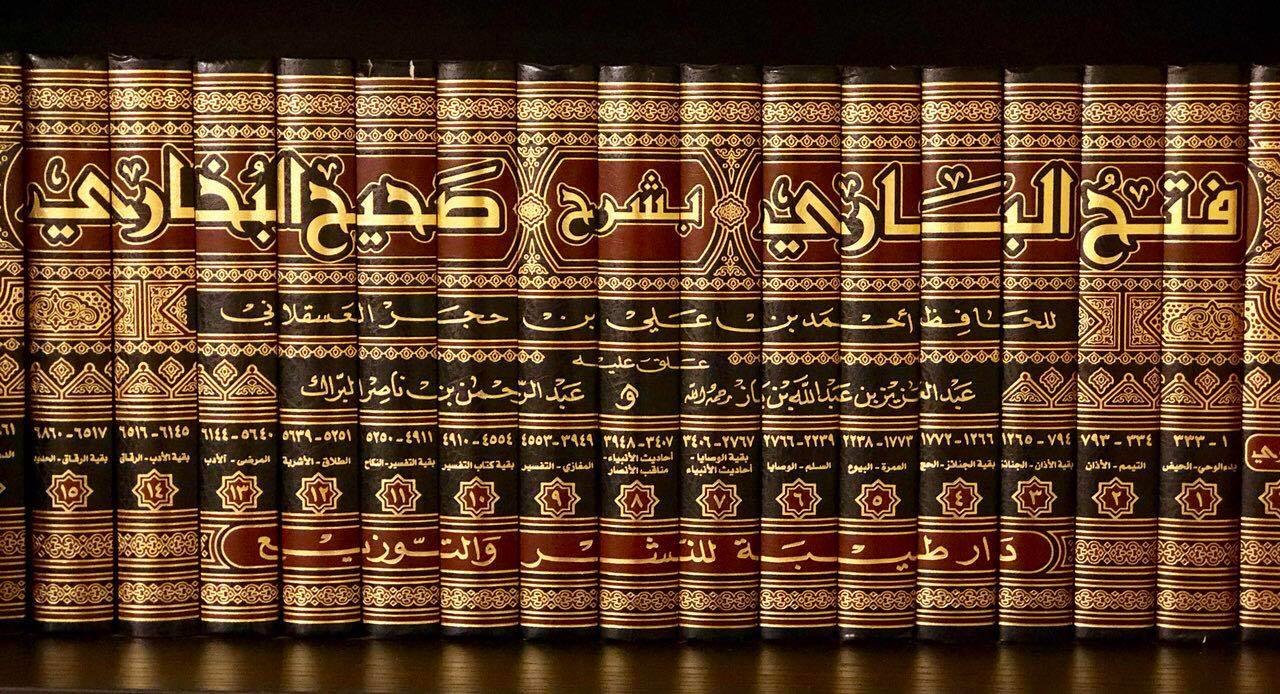
A hadith is a report of what the Prophet Muhammad ﷺ said, did or approved of. Hadiths were passed down through chains of narrators and later collected in books such as Sahih al-Bukhari and Sahih Muslim. After the Quran, they are the second main source of Islamic teaching.
What a hadith looks like
Every hadith has two parts:
- The chain (isnad): the list of people who passed it on, for example "X told me that Y told him that Umar said...".
- The text (matn): the actual words or event being reported.
A famous example is the first hadith in Sahih al-Bukhari: "Actions are only by intentions, and each person will have what they intended" (Sahih al-Bukhari 1). It is short, but scholars say a large part of Islam rests on it.
Why hadith matter
The Quran tells Muslims to pray but doesn't describe every movement of the prayer; the hadith do. They show how the Prophet ﷺ lived the Quran, explained it and applied it. The Quran itself points to following him:
The word "sunnah" is closely related: it means the Prophet's ﷺ way or practice, and hadiths are the reports that record it.
Not every hadith is equal
Early scholars checked every narrator's honesty, memory and whether they could really have met the person they quoted. Based on this, hadiths are graded:
- Sahih (sound): a strong, reliable chain.
- Hasan (good): reliable, slightly below sahih.
- Da'if (weak): a problem in the chain, so it isn't used to prove rulings.
- Mawdu' (fabricated): falsely attributed to the Prophet ﷺ.
Scholars took this seriously because the Prophet ﷺ warned that whoever deliberately lies about him should take his seat in the Fire (Sahih al-Bukhari 110). That's why you should check a hadith before passing it on. See Do I need to check a hadith before sharing it online?
The main collections
The best-known are the "six books": Sahih al-Bukhari, Sahih Muslim, Sunan Abi Dawud, Jami' at-Tirmidhi, Sunan an-Nasa'i and Sunan Ibn Majah. Bukhari and Muslim are considered the most authentic. There is also "hadith qudsi", where the Prophet ﷺ reports words from Allah that are not part of the Quran. Turning hadiths into rulings is the work of scholars. See What is the difference between sharia and fiqh?
- A hadith reports the Prophet's ﷺ words, actions or approval.
- Each has a chain (isnad) and a text (matn).
- Hadiths are graded sahih, hasan, da'if or fabricated.
- Bukhari and Muslim are the most trusted collections.
People also ask
Can non-Muslims join the Muslim Student Association?
Yes, non-Muslims can usually join the Muslim Student Association or ISoc. Events are open to all; roles like leading prayer are for Muslims.
Read the full answer →What is a halaqa?
A halaqa is an Islamic study circle where Muslims gather to learn the Quran and Sunnah together. What happens, why it matters and how to choose one.
Read the full answer →What are the six articles of faith in Islam?
The six articles of faith in Islam are belief in Allah, angels, holy books, messengers, the Last Day and qadr. A simple guide to what each means.
Read the full answer →Why do people convert to Islam?
People convert to Islam for its clear belief in One God, the Quran, peace in prayer and the kindness of Muslims they meet. Common reasons explained.
Read the full answer →What was the first verse of the Quran revealed?
The first verses of the Quran revealed were Surah al-Alaq 96:1-5, starting with "Read", in the Cave of Hira around 610 CE. Here is the full story.
Read the full answer →