What is i'tikaf?
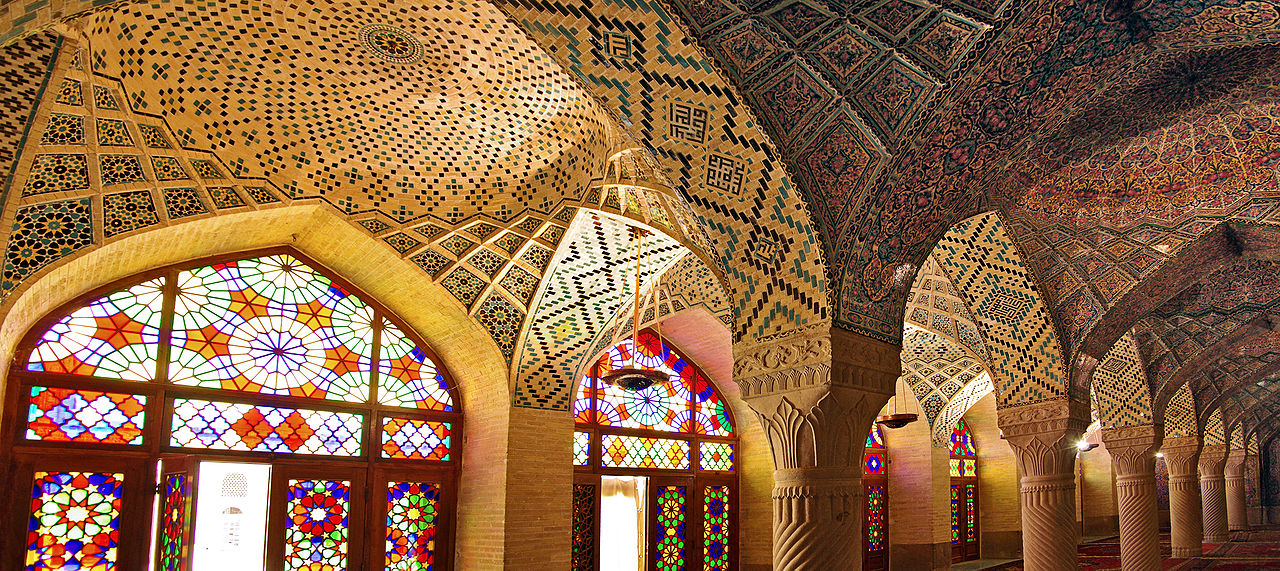
I'tikaf is staying in a mosque for a set time to devote yourself to worship, especially in the last ten days of Ramadan. It's a sunnah, not an obligation. You can do the full ten days, a single night, or even a few hours, depending on your school and your life.
The sunnah of the last ten nights
The Prophet ﷺ used to do i'tikaf in the last ten days of Ramadan every year until he passed away, and his wives continued it after him (Sahih al-Bukhari 2026). The Quran mentions it as a known practice:
Part of the goal is to catch Laylat al-Qadr, the Night of Power, which falls in the last ten nights. See What is Laylat al-Qadr and how do I find it?
What you do during i'tikaf
- Pray, including extra night prayers.
- Read and reflect on the Quran.
- Make dhikr and long, personal dua.
- Cut down on chatting, phones and worldly distractions.
You eat, sleep and rest in the mosque. Leaving is allowed only for real needs such as the toilet, a bath, or getting food if no one can bring it. Aisha said the Prophet ﷺ wouldn't enter the house during i'tikaf except for a need (Sahih al-Bukhari 2029). Intimacy with your spouse is not allowed while in i'tikaf.
How long does it have to be?
Scholars differ:
- Shafi'i and Hanbali: any amount of time counts, even a short while, as long as you intend i'tikaf.
- Hanafi: voluntary i'tikaf can be short; the sunnah i'tikaf of the last ten days is the full ten, with fasting.
- Maliki: the minimum is a full day and night, with fasting.
So if you work full time, you can still join for a night or a weekend, or simply intend i'tikaf whenever you sit in the mosque between prayers.
Can women do i'tikaf?
Yes. The Prophet's ﷺ wives did. Most scholars say it should be in a mosque, while the Hanafi school allows a woman to do it in a dedicated prayer space at home. Many mosques in the UK, Europe and the USA run i'tikaf programs with a separate sisters' area. A woman stops i'tikaf if her period starts.
- I'tikaf means staying in the mosque for worship.
- It's a sunnah, mostly done in Ramadan's last ten days.
- Leave only for genuine needs like the toilet or a bath.
- Minimum length differs between the schools.
People also ask
Does showering break my fast?
No, showering does not break your fast. You can shower or do ghusl while fasting; just don't swallow water or sniff it deep into your nose.
Read the full answer →How do Muslims fast in a Nordic summer?
Most Muslims in a Nordic summer fast from local dawn to sunset; where night vanishes, scholars allow the times of a nearby city or Mecca.
Read the full answer →Can women fast on their period?
No, women don't fast on their period and a fast kept during it isn't valid. Missed Ramadan days are made up later, unlike prayers, which are forgiven.
Read the full answer →What is kaffarah for breaking a fast?
Kaffarah for breaking a fast is 60 days of fasting in a row, or feeding 60 poor people, for deliberate intercourse on a Ramadan day.
Read the full answer →What is fidya in Islam?
Fidya in Islam is feeding one poor person for each Ramadan fast you can never make up, paid by the elderly and chronically ill. Here's how much.
Read the full answer →