What is the 40-day limit for trimming body hair?
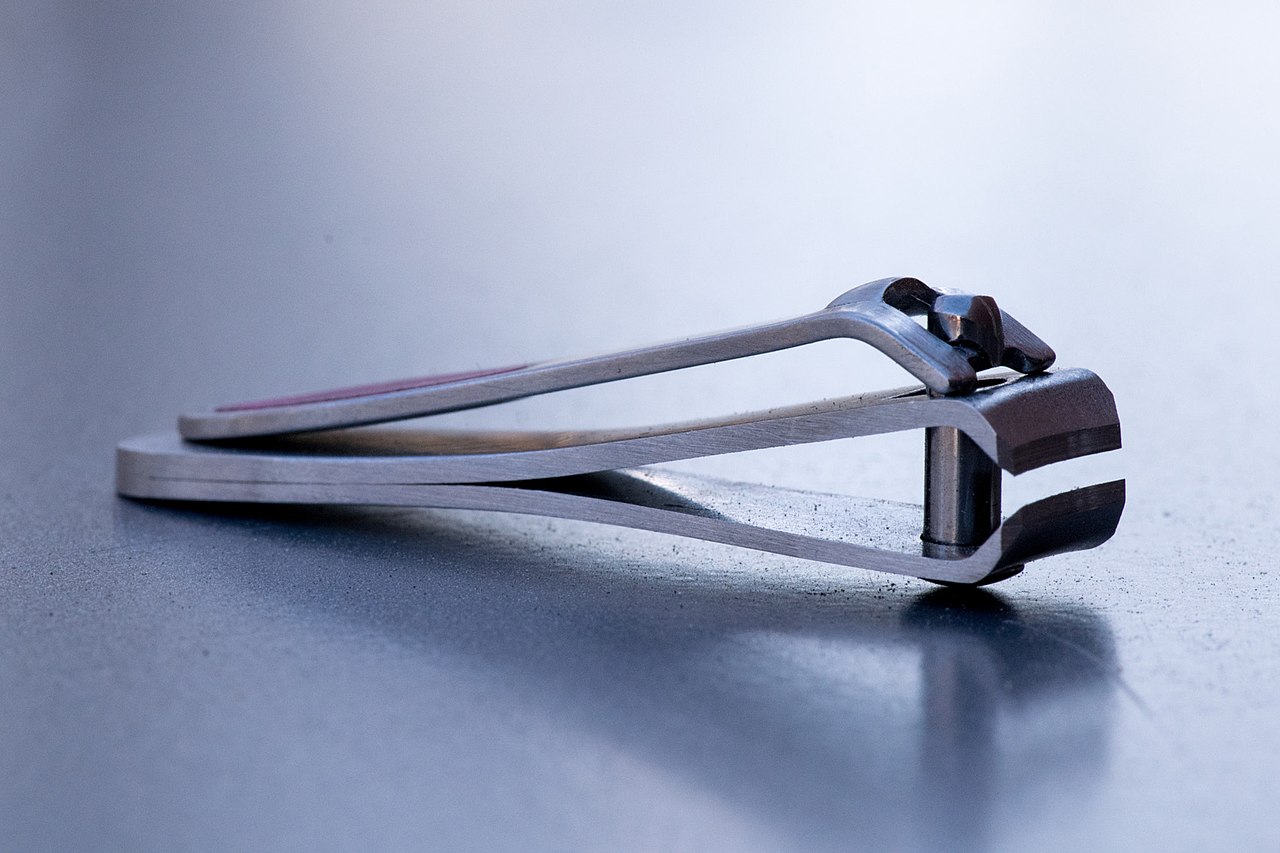
It is the longest time you should leave certain hair and nails uncut: forty nights. The rule covers the mustache, the nails, the underarm hair and the pubic hair. It's a limit, not a target, so most Muslims trim them every week or two. Leaving them longer without a reason is disliked, and some scholars say it is a sin.
What the hadith says
Anas ibn Malik reported: "A time limit has been prescribed for us for clipping the moustache, cutting the nails, plucking hair under the armpits, shaving the pubes, that it should not be neglected far more than forty nights" (Sahih Muslim 258). Scholars understand the wording "a time limit has been prescribed for us" to mean that the limit goes back to the Prophet's ﷺ guidance to his Companions. Another narration says forty days. The count is in nights, and in practice it means about six weeks.
Which four things does it cover?
- The mustache: trimming it short.
- The nails: both fingernails and toenails.
- The underarm hair: plucked, trimmed or removed.
- The pubic hair: shaved, trimmed or removed by any safe method.
It doesn't cover the beard or the hair on your head. Those have their own rules. See Do Muslims have to shave their pubic hair?
A limit, not a target
Forty nights is the outer boundary. Scholars say that going past it without an excuse is disliked, and some say sinful, while the best habit is to do these things much more often. Most people trim their nails weekly and the other areas every one to three weeks. See How often should Muslims cut their nails?
Special cases
- Dhul Hijjah and qurbani: if you plan to offer a sacrifice, many scholars say you should not cut your hair or nails from the start of Dhul Hijjah until it's done, which is about ten days. Trim just before Dhul Hijjah begins so you don't run past the forty nights.
- Ihram: cutting hair and nails is not allowed during Hajj or Umrah until the right time.
- Illness, travel or prison: if you truly can't do it, there's no sin. Allah doesn't ask beyond your ability.
- New converts: the count begins once you know about it. Past habits are not held against you.
For the qurbani rule in detail, see Do I have to stop cutting my hair and nails before qurbani?
An easy way to stay inside the limit
Pick a fixed day, such as Friday before Jumu'ah or the first of each month, and do all four at once. Many people link it to a weekly shower. You'll never need to count nights, and you'll be well inside the limit.
- Forty nights is the maximum for nails, mustache, underarm and pubic hair.
- It is a limit, not a target; weekly or fortnightly is better.
- It doesn't cover the beard or head hair.
- Qurbani, ihram and genuine inability are the main exceptions.
People also ask
What is the difference between a thobe, jubba and kurta?
Mostly region and cut, not religion: a thobe is an Arab robe, a jubba a long outer garment, a kurta a South Asian tunic. None is a religious requirement.
Read the full answer →What is the awrah for a Muslim man?
A Muslim man's awrah is the area from the navel to the knee. Cover it in public, in front of men and in prayer; there is no limit with your wife.
Read the full answer →What is a taqiyah and when do Muslim men wear one?
A taqiyah is a small prayer cap, also called a kufi, topi or songkok. Muslim men wear it for prayer, Fridays and Eid, but it is optional, not required.
Read the full answer →What is a shalwar kameez and do I have to wear one?
No, you do not have to wear one. A shalwar kameez is a South Asian tunic and trouser outfit: a cultural choice, modest and comfortable if you like it.
Read the full answer →What if my non-Muslim family dislikes my beard?
Stay kind and keep your beard. If non-Muslim family dislike your beard, answer calmly, keep family ties, and give them time to get used to it.
Read the full answer →