What is the zakat on found treasure?
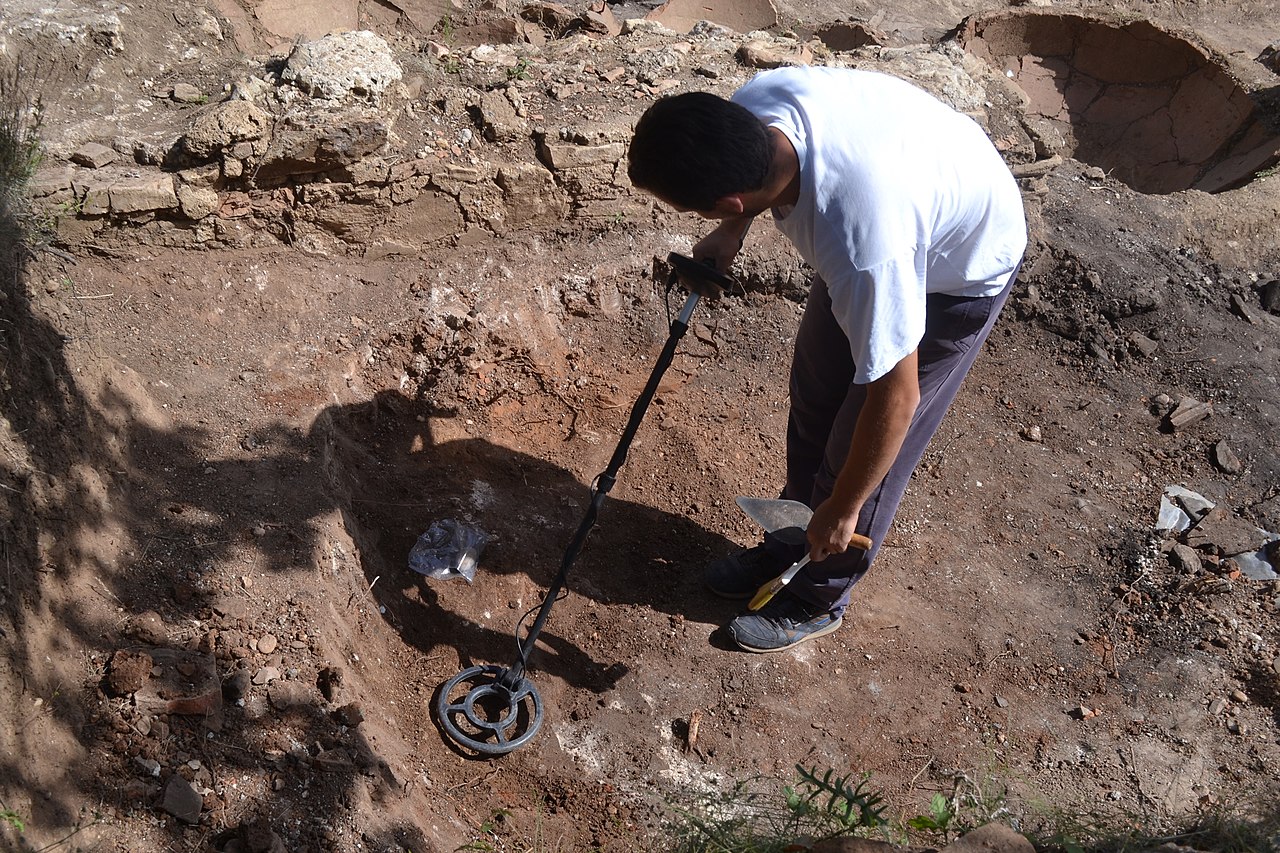
The zakat on found treasure (called rikaz) is one fifth, or 20%, paid as soon as you find it. This applies to old buried treasure from ancient times. Lost property that belongs to someone today is a different matter: it isn't yours to keep, so it isn't zakat at all.
What counts as rikaz?
Rikaz means wealth buried in the ground from long ago, such as a hoard of old coins or gold from a civilisation before Islam, whose owner can't be traced. The Prophet ﷺ said about it: "and on rikaz is one fifth" (Sahih al-Bukhari 1499).
The Quran asks believers to spend from what Allah brings out of the earth for them, and treasure from the ground is a clear example:
How it differs from normal zakat
- Rate: 20%, not 2.5%, because it came with no work or investment.
- Timing: immediately. You don't wait a year. See When do I have to pay zakat?
- Minimum: the Hanafi, Maliki and Hanbali schools say any amount counts; the Shafi'i school says it must reach the nisab and be gold or silver.
- Where it goes: scholars differ on whether it is spent like zakat or like public funds. Many say giving it to the poor and the other zakat groups is fine. See Who can receive zakat?
Metal detecting and the law
In the UK, the Treasure Act requires you to report finds of old gold, silver and coin hoards, and the state may buy them for a museum, paying a reward to the finder and landowner. US rules differ by state and land type. Islam expects you to follow these laws. You pay the one fifth only on what you legally get to keep, such as your share of the reward or a find you're allowed to own.
Lost wallets and phones are not treasure
If you find something recently lost, like cash, a phone or jewellery, it still belongs to its owner. The Prophet ﷺ taught that found items must be announced for a period so the owner can claim them. Today that usually means handing it to the police, the shop or the lost-property office. Keeping it isn't a windfall; it's someone else's money. The same goes for other "easy money": gambling wins aren't halal income at all. See Can I still buy lottery tickets as a Muslim?
- Ancient buried treasure (rikaz) is taxed at one fifth.
- It's paid straight away, with no one-year wait.
- Follow local treasure laws and pay on what you're allowed to keep.
- Recently lost property must be returned, not kept.
People also ask
Who are "those whose hearts are to be reconciled"?
Those whose hearts are to be reconciled (al-mu'allafatu qulubuhum) are a zakat category for new Muslims and people drawn to Islam. Who it covers.
Read the full answer →What if I gave zakat to someone who wasn't eligible?
If you checked reasonably, many scholars say zakat to someone not eligible still counts. Others say recover it or pay again to be safe.
Read the full answer →What is sadaqah jariyah?
Ongoing charity that keeps earning reward after you die, like a well, a school or useful knowledge. Here are easy ways to start.
Read the full answer →What is a waqf in Islam?
A waqf is an endowment: you give an asset for good forever, and its income funds charity. Umar's land in Khaybar was the model.
Read the full answer →Can I donate to an animal shelter as a Muslim?
Yes. Kindness to animals is rewarded in Islam, and the Prophet praised a man who gave water to a thirsty dog. Not as zakat, though.
Read the full answer →